Why Slow Cooker Chicken Breast Always Turns Out Dry (and the Fix)
Quick Answer: Slow cooker chicken breast dries out from overcooking, not undercooking — lean breast meat has almost no fat to protect it once it passes done, unlike thighs. Cook on low for 3-4 hours max, checking at 3, and pull it the moment it hits 165°F rather than leaving it the full standard cook time.
You followed the recipe’s ‘6-8 hours on low’ instruction and ended up with dry, stringy chicken you have to drown in sauce to eat. The recipe wasn’t wrong for the dish — it was wrong for the cut.
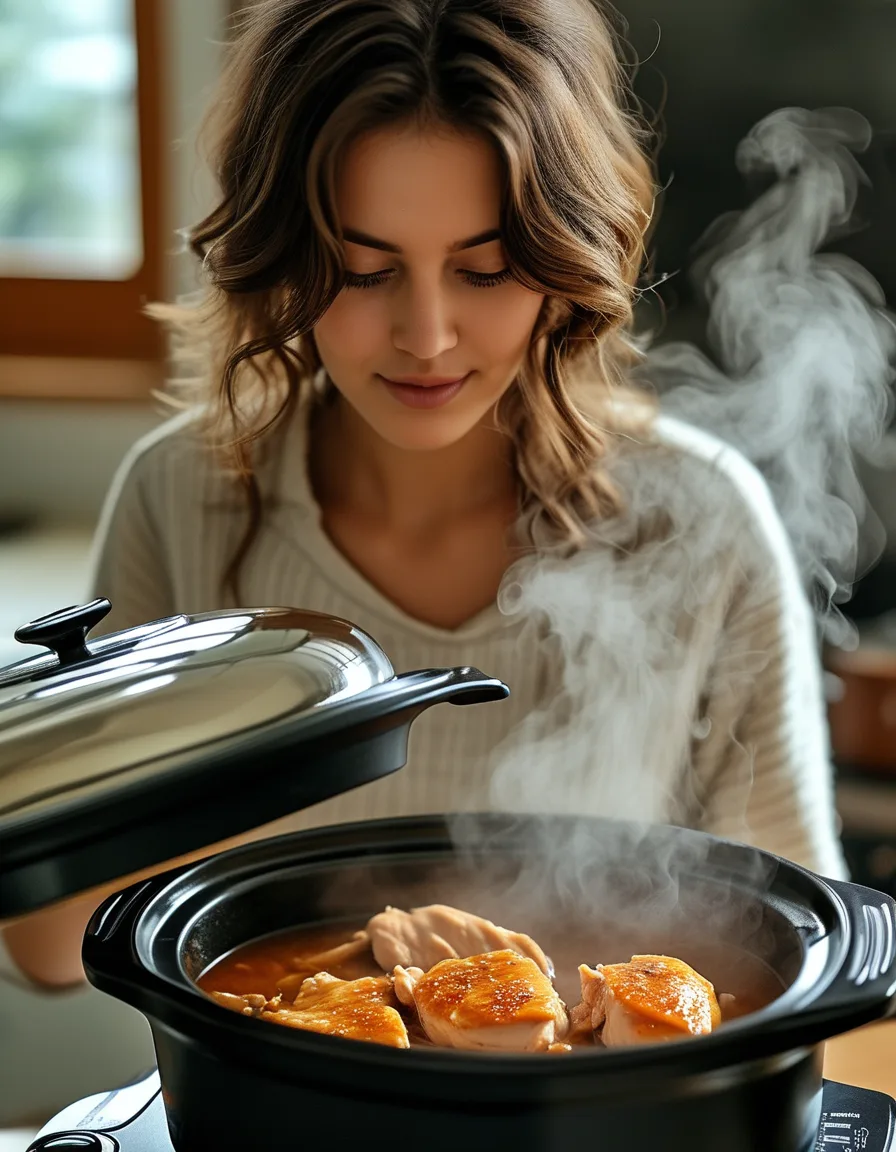
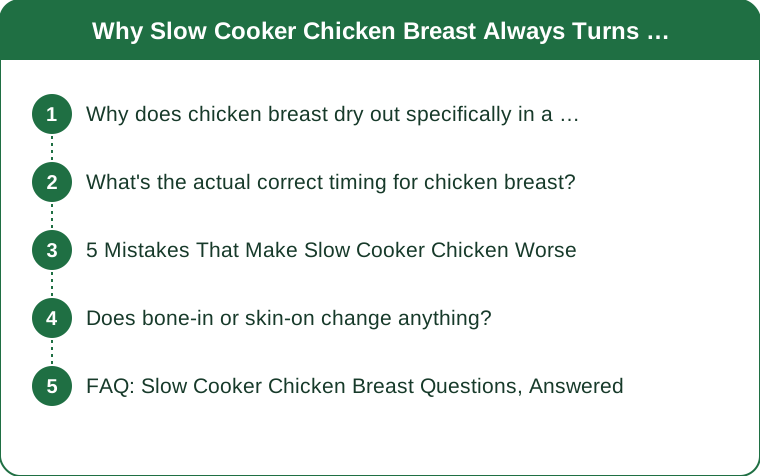
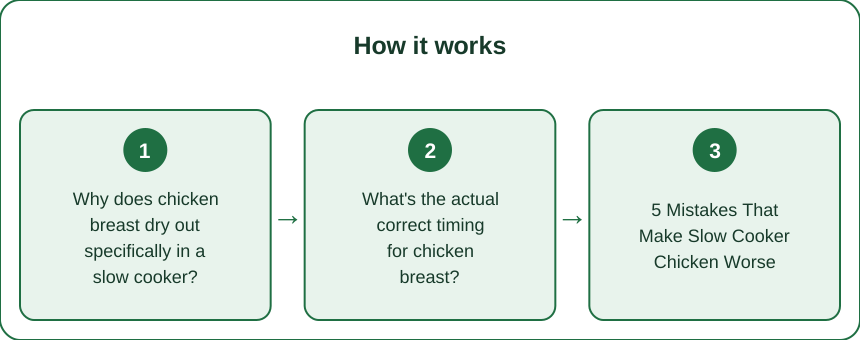
Why does chicken breast dry out specifically in a slow cooker?
Chicken breast is extremely lean — almost no intramuscular fat to render slowly and keep the meat moist the way a fattier cut does. Once it crosses 165°F internal temperature, the proteins keep tightening and squeezing out moisture for every additional hour it sits in heat, even on low.
Most slow cooker recipes are timed for chicken thighs, which have enough fat and connective tissue to stay moist for 6-8 hours. Applying that same timing to breast meat is the core mismatch — it’s not that your slow cooker runs hot, it’s that the recipe was written for a different cut.
What’s the actual correct timing for chicken breast?
3-4 hours on low, checking with a meat thermometer starting at the 3-hour mark. Pull it the moment it reads 165°F — carryover heat will finish the last couple of degrees.
If your recipe needs a longer total cook time for the sauce or vegetables to develop, add the chicken breast in during the last 2-3 hours instead of at the start. This is the single highest-impact fix: decouple the chicken’s cook time from the dish’s total cook time.

5 Mistakes That Make Slow Cooker Chicken Worse
1. Using the full 6-8 hour default timing meant for thighs or a whole dish, not the chicken specifically.
2. Skipping the thermometer. Guessing by ‘looks cooked’ after hours in liquid is unreliable — chicken can look done well before or after it actually hits temp.
3. Shredding immediately after cooking. Let it rest 5-10 minutes off heat first; shredding hot meat straight out releases more moisture than resting first.
4. Cutting breasts into small pieces before cooking. Smaller pieces cook faster and are much easier to overshoot past done — keep breasts whole or halved.
5. Not accounting for the sauce’s liquid content. A thinner, more watery sauce conducts heat faster than a thick one, which can shorten your actual safe cooking window.
Does bone-in or skin-on change anything?
Bone-in breast holds moisture noticeably better than boneless — the bone slows heat penetration to the center, buying you a wider margin before overcooking. If dry chicken has been a recurring problem, switching to bone-in breast is a bigger single fix than fiddling with timing alone.
Skin doesn’t crisp in a slow cooker regardless (too much moisture), so there’s no real benefit to skin-on beyond the minor extra fat it renders into the sauce.
FAQ: Slow Cooker Chicken Breast Questions, Answered
Can I use frozen chicken breast in the slow cooker?
Food safety guidance generally advises against starting from frozen in a slow cooker — it spends too long in the unsafe temperature zone before the appliance reaches a safe cooking temperature. Thaw first.
What if I already overcooked it — can it be saved?
Shred it and mix generously with the sauce or a bit of broth; the added moisture masks a lot of the dryness. It won’t be as good as correctly timed chicken, but it’s salvageable in a saucy dish.
Does searing the chicken first help keep it moist?
Searing adds flavor through browning but doesn’t meaningfully lock in moisture during the long cook — that’s more myth than mechanism. It’s worth doing for taste, not for moisture retention.
TL;DR:
- Lean breast meat has no fat buffer — it dries out fast once past 165°F
- Cook 3-4 hours on low, checking with a thermometer from hour 3
- Add chicken in the last 2-3 hours of a longer recipe instead of cooking it the full time
- Bone-in breast is more forgiving than boneless if dryness keeps happening
The fix isn’t a different slow cooker or a different recipe — it’s decoupling the chicken’s timing from everything else in the pot.
Keep Reading
This article is for general informational purposes only and is not medical advice. Always consult a qualified health professional for guidance specific to you.