Why Your Slow Cooker Vegetables Turn to Mush Every Single Time (Even When the Meat Is Perfect)
Quick Answer: Most root vegetables turn to mush because they’re added at the very start alongside the meat, cooking for the same 6-8 hours the meat needs — but vegetables break down far faster than tough cuts of meat. Add hardy vegetables partway through, not at the beginning, and they’ll hold their texture.
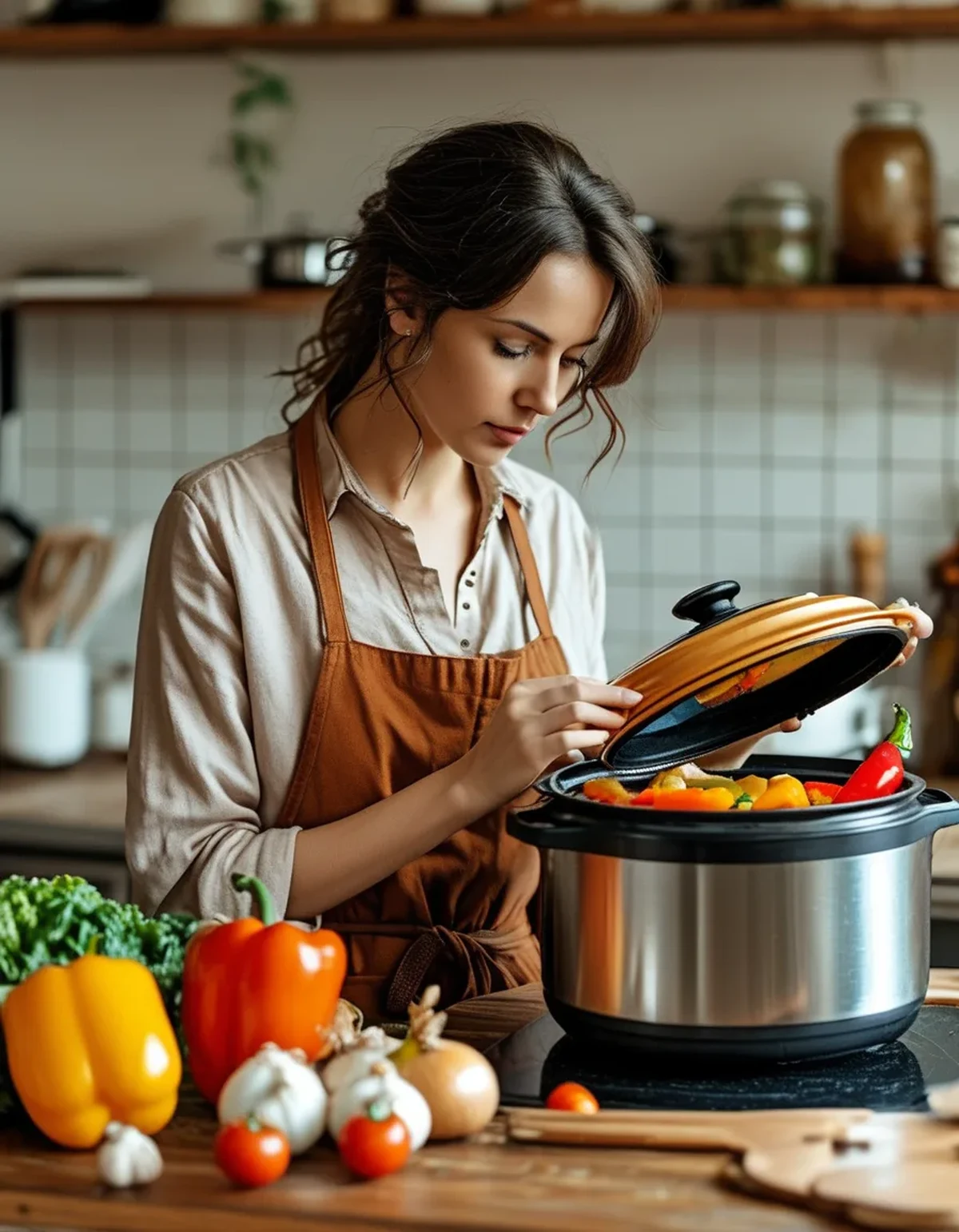
Your pot roast recipe says ‘add everything and cook 8 hours.’ The beef comes out perfectly fall-apart tender. The carrots and potatoes, cooked that exact same 8 hours, have disintegrated into mush. That’s not a recipe failure on your part — it’s a mismatch in how fast meat and vegetables actually break down under the same heat.
Why do vegetables break down so much faster than tough cuts of meat?
Tough cuts of meat (chuck roast, brisket) are full of collagen, a connective tissue that needs many hours of slow, moist heat to break down into tender gelatin — that’s the entire reason these cuts benefit from an 8-hour cook. Root vegetables like carrots and potatoes have a completely different cell structure that softens much faster, often fully tender within 3-4 hours in the same liquid and heat.
Cooking both for the full 8 hours means the meat finally reaches its ideal texture right as the vegetables have been overcooked for 4-5 hours past their own ideal point.
What’s the actual fix, without buying new equipment?
Stagger the addition times. Put the meat, tough aromatics, and liquid in at the start for the full cook time. Add hardy root vegetables (carrots, potatoes, parsnips) 3-4 hours before the dish is done, not at the beginning. This means checking your total cook time and setting a timer or reminder partway through — slightly more hands-on than dump-and-forget, but it fully solves the mush problem with zero new tools.
Does vegetable size affect this timing too?
Yes, significantly — larger chunks (2-inch pieces) hold up longer than small diced pieces, so cutting vegetables larger than you might for a quick stovetop dish gives you more buffer even with the staggered timing approach. Many recipes calling for small-diced vegetables in a long slow-cook are actually part of why mush happens even when timing is followed reasonably well.
What Nobody Tells You About ‘Dump and Go’ Recipes
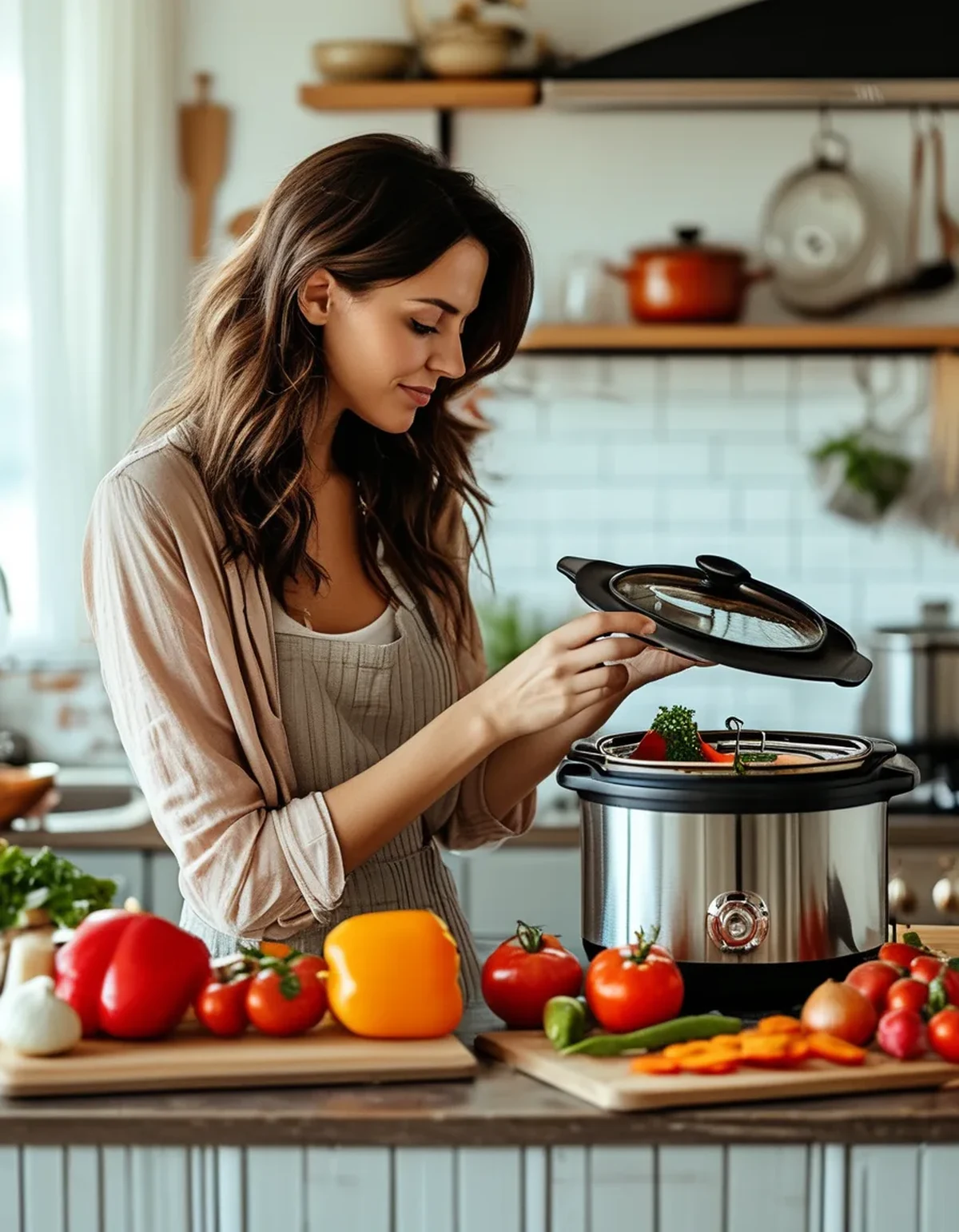
Here’s the tension nobody addresses directly: the entire appeal of slow cooker cooking is dumping everything in before you leave for the day and not touching it again — but that convenience is directly at odds with vegetables needing a shorter cook time than tough meat cuts. Most ‘dump and go’ recipes either accept mushy vegetables as the tradeoff, or quietly use vegetables that hold up better to long cooking (like whole small potatoes or thick-cut carrots) without saying so explicitly.
Are some vegetables actually fine to add at the start?
Yes — very hardy vegetables like whole small potatoes, thick parsnip chunks, or firm winter squash tend to hold up reasonably well even across a full 8-hour cook, especially cut large. Delicate vegetables (zucchini, bell peppers, leafy greens) shouldn’t go in until the last 30-60 minutes at most, since they break down dramatically faster than even carrots or potatoes.
Myth vs Fact: Slow Cooker Vegetable Timing
Myth: All slow cooker vegetables need the same cook time as the meat. Fact: Meat and vegetables break down at very different rates — vegetables added at the start of a long meat cook are almost always overcooked by the time the meat is done.
Myth: Cutting vegetables smaller always speeds up a recipe efficiently. Fact: Smaller pieces cook faster, which is exactly why they turn to mush faster in a long meat-focused recipe — larger chunks are often the better choice for slow cooking.
Myth: A liner or different slow cooker model fixes vegetable texture issues. Fact: Liners and cookware differences don’t change the fundamental cook-time mismatch between meat and vegetables — timing is the actual fix.
FAQ: Slow Cooker Vegetable Questions, Answered
How do I know when to add vegetables if I’m not home to check?
Use a slow cooker with a delayed-start or programmable timer function, or split the cooking into two stages the night before by prepping vegetables separately to add via a quick lid-open when you get a chance partway through the day.
Do all root vegetables need the same 3-4 hour buffer?
Roughly, though very hard vegetables like whole small potatoes can sometimes go a bit longer than that; softer roots like parsnips may do better closer to the shorter end of that range.
Will adding vegetables later affect the overall broth or gravy flavor?
Minimally — most of a broth’s flavor comes from the meat, aromatics, and seasoning cooked the full time; vegetables added partway through still absorb plenty of flavor in 3-4 hours.
TL;DR:
- Vegetables cook much faster than tough meat cuts, so adding them at the start of a long cook overcooks them
- Add hardy root vegetables 3-4 hours before the dish finishes, not at the beginning
- Cut vegetables larger for slow cooking — bigger chunks hold texture longer
- Very hardy vegetables (whole small potatoes) can handle the full cook time; delicate ones need under an hour
Next slow cooker meal, set one timer for adding vegetables partway through instead of dumping everything in at once — same convenience, no more mushy carrots.
Keep Reading
This article is for general informational purposes only and is not medical advice. Always consult a qualified health professional for guidance specific to you.